
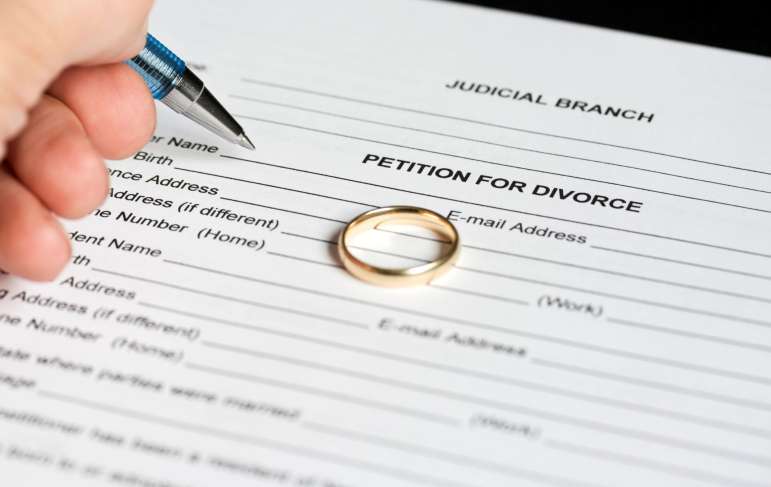
Divorce doesn’t just involve court filings and legal agreements. It also comes with personal decisions about what comes next.Not everyone chooses to change back their last name. Some people want to keep using the name they’ve been using for many years, and that’s what feels right. Others feel that reclaiming their former name is an important part of moving forward.
If you do decide to change your name, it helps to understand the process before you begin. The legal steps are generally straightforward, but there are still several details you’ll need to stay on top of along the way.
Starting the Name Change Process
You can change your name either as part of your divorce or after the divorce is finalized, but it’s usually easiest to address the name change during the divorce itself. Including the name change as part of the divorce decree means you won’t have to file a separate name change case later.
If you wait until after your divorce, the process is more complicated. It requires separate court filings. You’ll need to petition the court for a name change and attend a court hearing, where a judge will review your request and decide whether to approve it.
Addressing the issue during the divorce can save time and reduce the amount of court paperwork you’ll need later. When the name change is included in the divorce decree, you can generally begin updating your records as soon as the divorce is finalized and you have the necessary court documents. A separate name change petition may take several weeks or longer depending on court schedules in your county.
Related Reading: Divorce often comes with questions that have nothing to do with paperwork. If you’re wondering what challenges people commonly face during the divorce process, read Things People Worry About When Getting Divorced in Illinois.
The Work That Comes After the Court Order
Once you’ve changed your name, you need to update your information on different accounts and legal documents. The court order is often the easy part; many people are surprised by how many places their name appears until they start working through the list. Updating every account afterward is what takes time.
Many people start with their Social Security records since other organizations often require updated identification before making changes to an account. Next, change your name on identification documents like your passport, driver’s license, and state ID. You’ll also want to update bank accounts, credit cards, insurance policies, utility accounts, professional licenses, and any membership organizations tied to your legal name.
These are a lot of updates to manage. Keeping a checklist can help you stay organized as you work through each update.
Related Reading: If you’re still working through the divorce process itself, you may also find Expert Advice for Negotiating a Settlement With Your Spouse helpful.
Details Many People Don’t Think About
Even when a name change seems straightforward, there are a few details that catch people off guard. Some people assume their child’s last name will automatically change when they change their own, but it’s important to know that the name change process for your child is totally separate from your own name change.
Another surprise is that costs can vary depending on the situation. If you need to file a separate name change petition after your divorce, filing fees may apply, and those costs can differ by county. You may also need certified copies of court documents when updating identification and other records. Some people may qualify for a fee waiver that helps reduce expenses.
Another point of confusion is what name you can actually choose during the divorce process. Most people use the process to return to a maiden name or another surname they legally used in the past. If you want to adopt an entirely new last name, the process is different and requires a separate name change petition.
Moving Forward After Divorce
Changing your name after divorce can feel like one more item on an already long to-do list. Understanding the process ahead of time can help you avoid delays and feel less stressed.
If you’re considering a name change after divorce and have questions about the process, the team at David King Law can help you understand your options. Contact the firm to discuss your situation and learn what steps make the most sense for you.