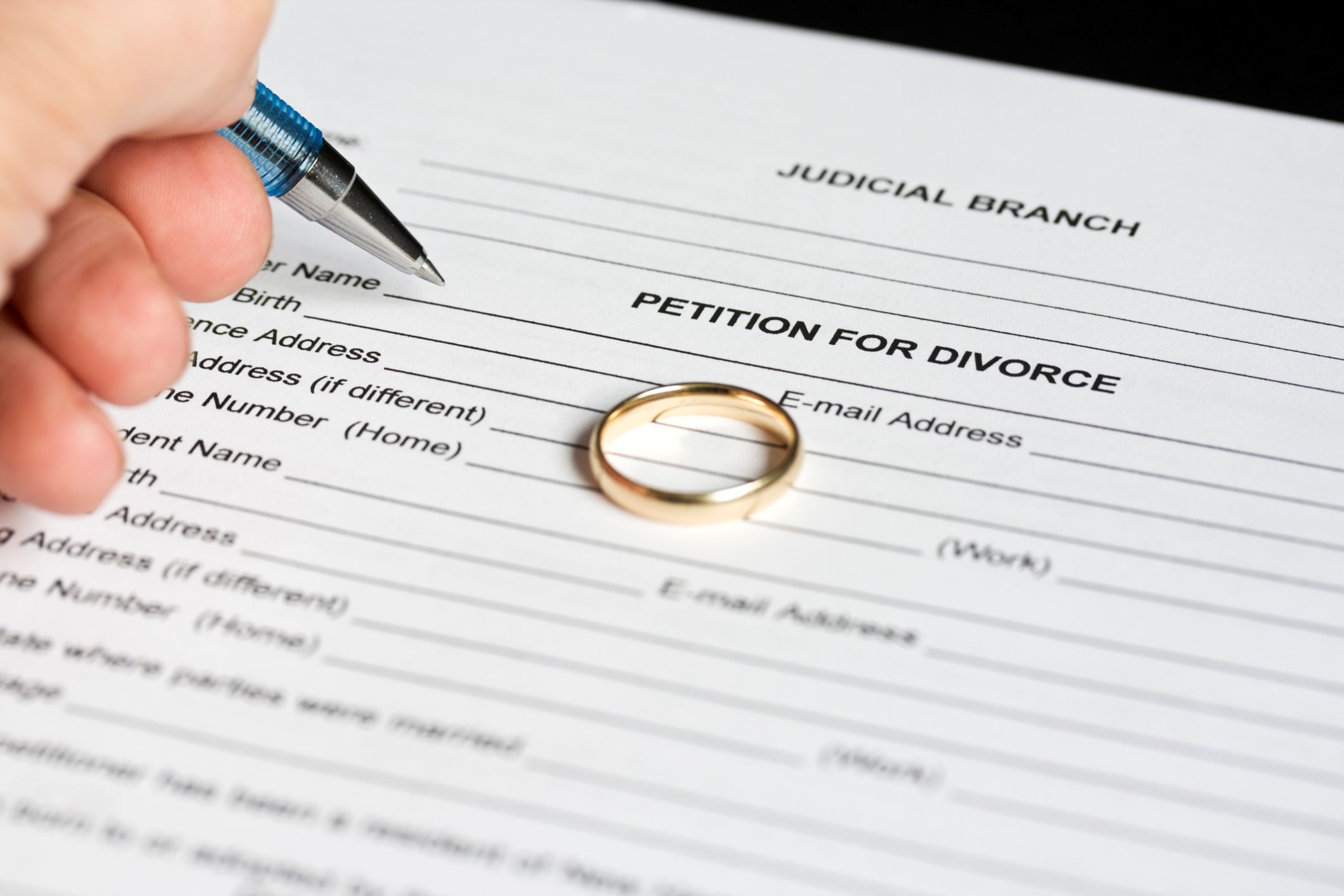

When you sign your divorce agreement, it may make sense for both you and your ex’s lives at that moment, but that doesn’t mean the agreement will always reflect reality. Either of your lives may change in a way that makes you want to rethink your divorce agreement. But not every life change gives you the right to modify it.
Before assuming you can modify an agreement, it’s important to understand which parts of your divorce judgment can be changed and whether your circumstances meet the requirements for a modification.
When Can You Modify a Divorce Agreement in Illinois?
The circumstances that lead people to seek a modification can vary, but not every change will be enough to support one. For some provisions, you may need to show a substantial change in circumstances. Other provisions have different requirements. A major life change may be enough to change one part of your agreement but not another.
What happens with a modification request depends on a lot of factors, like which provision someone wants to change. Common life changes that make people rethink this agreement include:
- Your parenting schedule no longer works because your work schedule has changed.
- You or your spouse has had a major change in income or employment.
- Your child’s needs have changed significantly.
- Your circumstances have changed in a way that may affect child support or spousal maintenance.
These are just some of the situations that may cause you to look into changing your agreement. But whether a modification is actually available depends on the provision involved and the legal standard that applies.
It’s also important to remember that not every part of a divorce agreement can be changed this way. Some parts of a divorce agreement can be changed later, including parenting time, child support, and maintenance. The division of property is different, however; it’s generally final once the judgment is entered.
Planning a move after divorce? Read more about handling relocation issues when co-parenting.
Requesting a Modification in Illinois
Before you request a modification, you’ll need to follow a few steps. First, determine whether the change you’d like to make meets the legal requirements, and collect documentation and evidence to support your request. For example, if your request is based on a change in your employment situation, you can provide documents like pay stubs, tax returns, or other employment information that may be relevant. If your child’s needs have changed significantly, you can include documentation like medical or educational records.
Once you’ve done all this, you can file the appropriate petition or motion with the court and provide your ex with the required notice. If they end up contesting your petition, the court may schedule a hearing so both sides can present their cases. Legal counsel can be useful if your ex objects to the change; you’ll have someone who can explain your legal options, help prepare your response, and present your argument to the court.
It can also be helpful in other circumstances, like if the change would have a significant financial consequence on either party or if your divorce judgment addresses several related issues. A lawyer can also help you look at how the requested change could affect the other parts of your judgment and whether anything else needs to be addressed.
What Happens After You Ask for a Modification?
Even if both you and your ex agree on a modification that’s relatively straightforward, you’ll need to take the right legal steps to make it legally binding and enforceable.
If your ex doesn’t agree, a court may have to decide whether the modification is justified. Depending on the issue, that may involve each side presenting documents, testimony, and other evidence before the judge makes a decision. The process can vary depending on whether you are asking to change parenting time, child support, maintenance, or another provision.
What’s especially important here, though, is not to follow a new arrangement just because you’ve filed for the modification. Until that divorce agreement is actually changed, you’ll generally need to follow the rules of your current agreement.
What to Do When Your Divorce Agreement No Longer Fits
Life after divorce can look very different from the life you had when your divorce was finalized. A new job, changing financial circumstances, or changes in your child’s needs may leave you wondering whether your current arrangement makes sense anymore. If you believe your circumstances have changed enough to warrant a modification, an experienced Illinois family law attorney can review your existing order and help you understand your options.
If your current agreement no longer reflects your reality, David King Law can help you pursue a modification. Call us at 630-504-7210 or fill out an online form to get in touch with us and set up a meeting.